E-mail Address
healthylifezen@gmail.com
Different foods contain different nutrients and chemicals, some combinations can achieve nutritional complementarity, while others may produce adverse chemical reactions.
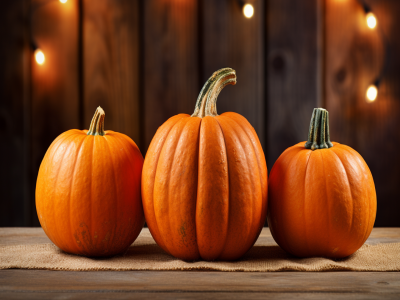
Different foods contain different nutrients and chemicals, some combinations can achieve nutritional complementarity, while others may produce adverse chemical reactions. Pumpkin, as a nutrient rich ingredient, is deeply loved by everyone. So, what foods should pumpkin not be eaten with? Next, let’s take a look together!
What foods should pumpkin not be eaten with?
1. Lamb meat
Pumpkin is warm in nature, and lamb is equally warm in nature. Eating the two together can easily exacerbate the dryness and heat in the body. For people with a constitution that is too hot or suffering from heat syndrome, it may cause symptoms of internal heat, such as sore throat, gum bleeding, constipation, etc. It may also affect physical health and reduce the nutritional value of food.
2. Shrimp
Pumpkin contains abundant vitamin C degrading enzymes, while shrimp is rich in nutrients such as protein and calcium. When pumpkin is consumed together with shrimp, the vitamin C degrading enzyme in pumpkin destroys the vitamin C in shrimp, reducing its nutritional value. In addition, the combination of vitamin C with pentavalent arsenic in shrimp may generate toxic trivalent arsenic, posing certain health risks.
3. Spinach
Spinach is rich in oxalic acid, while pumpkin is rich in calcium. When consumed together, oxalic acid combines with calcium to form insoluble calcium oxalate. Calcium oxalate is not only difficult to be absorbed by the human body, but may also accumulate in the body, increasing the risk of developing stones. At the same time, it can also reduce the utilization of calcium and other nutrients in pumpkin and spinach.
4. Sweet potatoes
Pumpkin and sweet potatoes are both easily carbonated foods and rich in starch. After being consumed together, it will be heavily fermented and decomposed in the intestines, producing excessive gas, which can easily cause gastrointestinal discomfort such as bloating, abdominal pain, and indigestion, affecting the normal digestive function of the gastrointestinal tract.
5. Carrying fish
The vitamin C degrading enzyme in pumpkin can destroy the nutrients in hairtail, especially vitamins and other substances, reducing the nutritional value of hairtail. Moreover, consuming pumpkin in combination with hairtail may cause physical discomfort, which is not conducive to the absorption of nutrients and the maintenance of health in the human body.
The benefits of eating pumpkin
1. Protect your eyes
Pumpkin is rich in carotenoids, which can be converted into vitamin A in the human body. Vitamin A is important for the normal development of the eyes and maintenance of vision. It can prevent eye diseases such as night blindness and dry eye syndrome, relieve eye fatigue caused by long-term use, protect eye health, and make the eyes brighter and more lively.
2. Promote digestion
Pumpkin is rich in dietary fiber, which can promote intestinal peristalsis, increase fecal volume, and prevent constipation; On the other hand, it can regulate the gut microbiota, improve the intestinal environment, facilitate digestion and absorption, maintain normal gastrointestinal function, and enable the body to better absorb nutrients from food.
3. Reduce blood sugar
Pumpkin contains components such as pumpkin polysaccharides and carotenoids, which help regulate blood sugar levels. Pumpkin polysaccharide can improve the sensitivity of insulin, promote the utilization and metabolism of glucose, and has a certain auxiliary role in controlling blood sugar of diabetes patients. It is suitable for people with high blood sugar.
4. Enhance immunity
Pumpkin is rich in various vitamins and minerals, such as vitamin C, zinc, iron, etc., which are essential for the normal functioning of the human immune system. They can promote the generation and activity of immune cells, enhance the body’s resistance, and help the body resist the invasion of various diseases.
5. Protecting cardiovascular health
The pectin in pumpkin can adsorb and remove harmful substances in the body, such as heavy metals, and reduce cholesterol levels in the blood. Meanwhile, pumpkin contains antioxidant substances such as vitamin E and carotenoids, which can prevent vascular oxidative damage, reduce the risk of cardiovascular disease, and protect cardiovascular health.